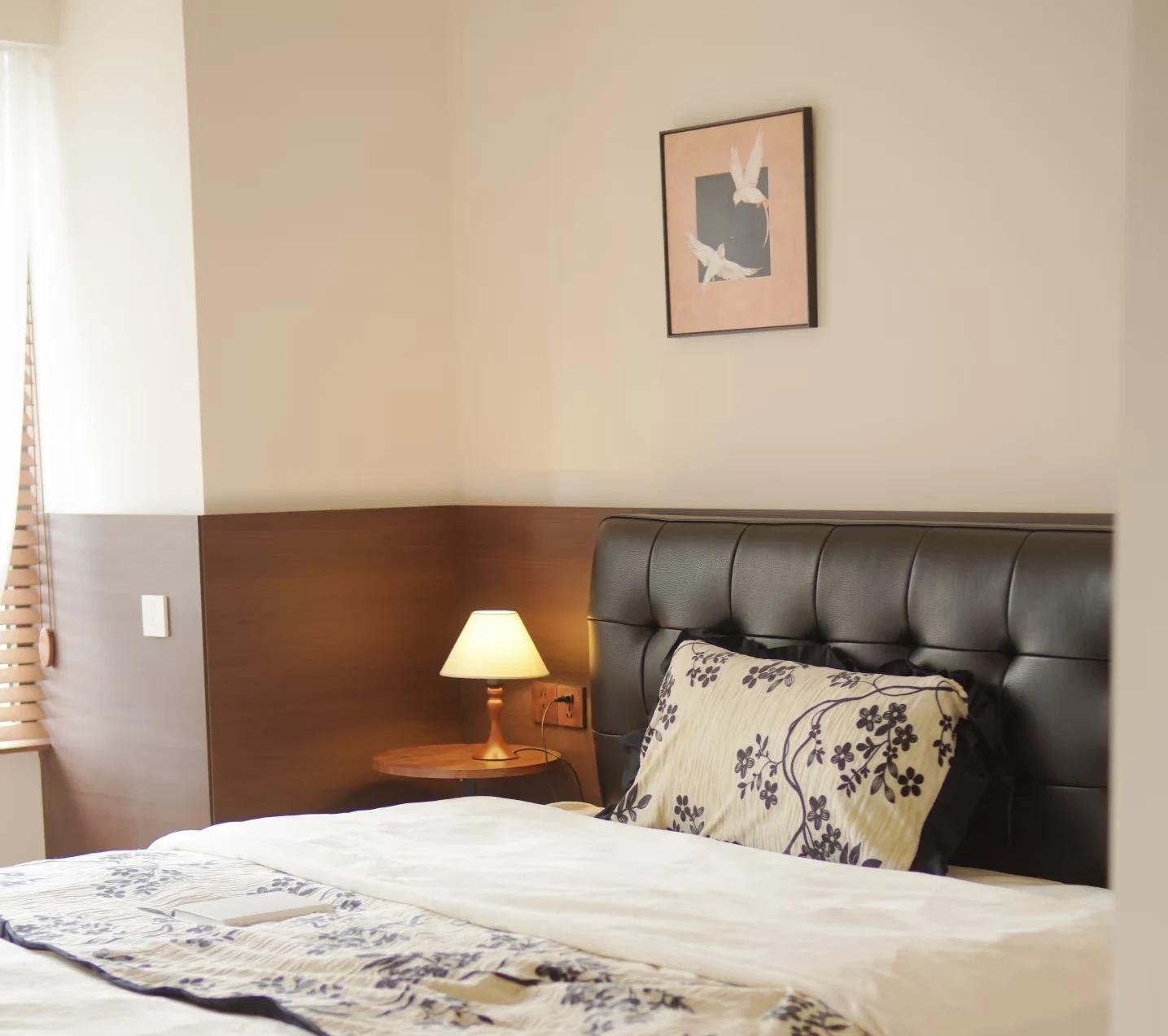
Your bedroom environment has a profound impact on sleep quality. Research shows that optimizing your sleep space can reduce the time it takes to fall asleep, decrease nighttime awakenings, and improve overall sleep satisfaction. Let's explore how to create the ultimate sleep environment.
The Foundation: Your Bed
You spend roughly one-third of your life in bed, so your mattress and bedding matter more than almost any other piece of furniture you own.
Choosing the Right Mattress
There's no universally "best" mattress—it depends on your body type, sleep position, and personal preferences. However, research suggests that a medium-firm mattress works well for most people, providing enough support while conforming to your body's natural curves.
- Side sleepers: Need more cushioning at shoulders and hips
- Back sleepers: Benefit from firm support with some contouring
- Stomach sleepers: Need a firmer surface to prevent spine misalignment
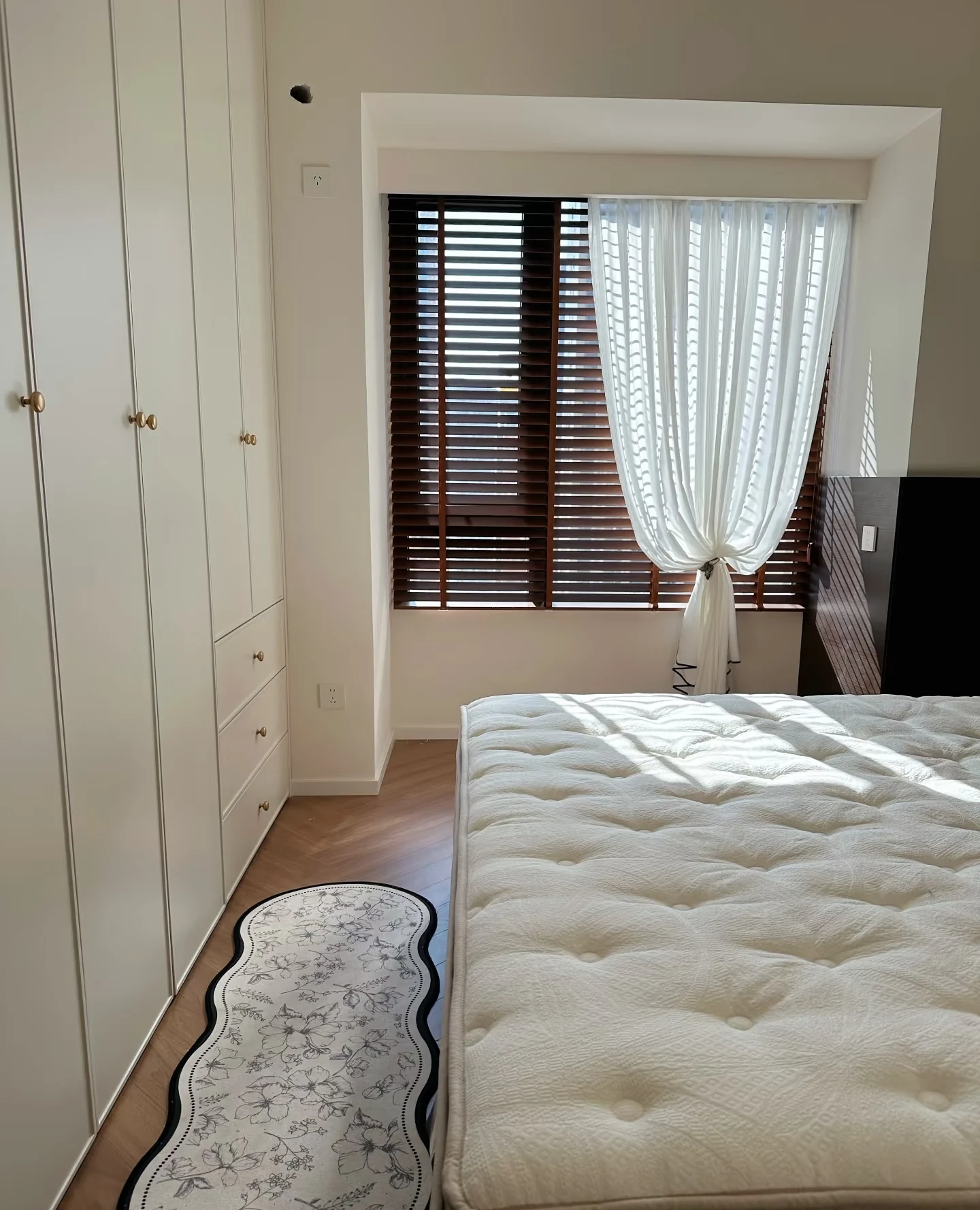
A well-made bed with quality bedding invites restful sleep
Bedding That Breathes
Your sheets and blankets play a crucial role in temperature regulation. Natural materials like cotton, linen, and bamboo are excellent choices because they wick moisture and allow airflow.
Temperature Tip: If you tend to sleep hot, consider moisture-wicking sheets and a lighter duvet. If you sleep cold, layering blankets lets you adjust throughout the night.
Lighting: The Sleep Signal
Light is the most powerful cue for your circadian rhythm. Getting your bedroom lighting right can make a significant difference in how easily you fall asleep and wake up.
Block Out External Light
Even small amounts of light can disrupt sleep. Invest in blackout curtains or a quality sleep mask. This is especially important if you live in an urban area with street lights or if you need to sleep during daylight hours.

A properly darkened bedroom promotes deeper sleep
Evening Lighting
In the hours before bed, switch from bright overhead lights to warm, dim lamps. Consider smart bulbs that can shift to warmer colors in the evening, or use candles (safely) to create a relaxing ambiance.
Temperature Control
The ideal bedroom temperature for sleep is between 60-67°F (15-19°C). This might feel cool, but it supports your body's natural temperature drop during sleep.
- Use a programmable thermostat to cool your room before bedtime
- Consider a fan for both cooling and white noise
- In winter, use breathable layers rather than cranking the heat
Declutter for Calm
A cluttered bedroom creates visual stress that can make it harder to relax. Keep your bedroom minimal and organized:
- Remove work materials: No laptops, files, or reminders of tasks
- Minimize electronics: Keep phones and tablets out of reach
- Clear surfaces: A tidy nightstand promotes mental calm
- Use storage: Keep clothes and items in closets, not on chairs
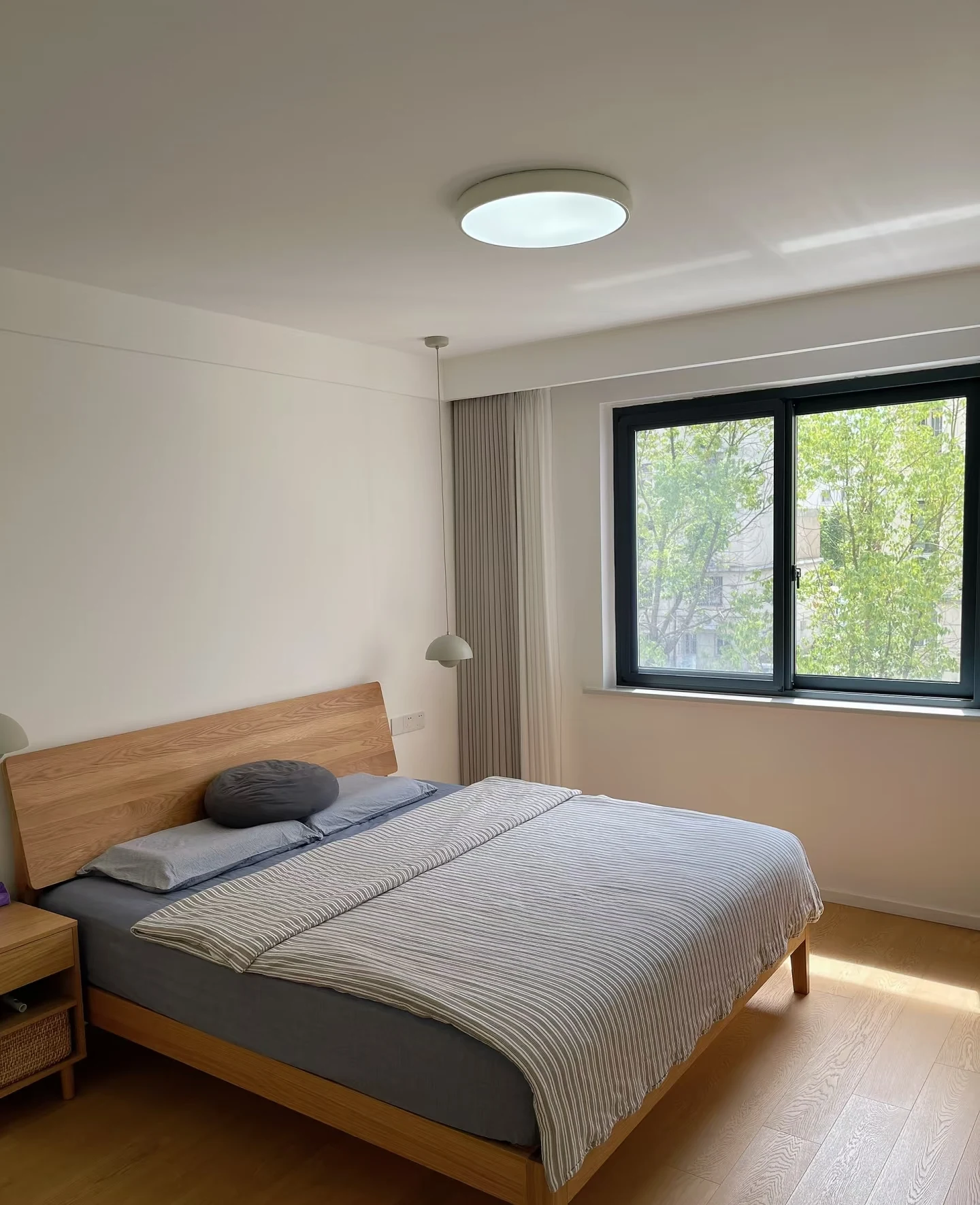
A minimal, clutter-free space promotes relaxation
Sound Environment
If you can't achieve complete silence (and few of us can), consider adding consistent ambient sound. White noise, pink noise, or nature sounds can mask disruptive noises and create a consistent audio environment that your brain associates with sleep.
Creating the perfect sleep environment doesn't require a complete bedroom renovation. Start with the changes that address your biggest sleep challenges—whether that's light, temperature, noise, or comfort—and gradually optimize from there. Your bedroom should be a retreat, a place your mind and body associate purely with rest.